
Gov. Kim Reynolds signs Iowa property tax reform bill into law
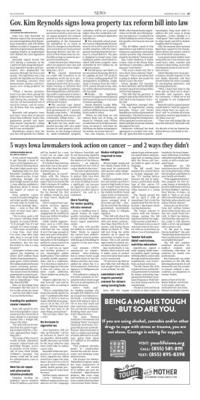
Iowa Gov. Kim Reynolds on Monday signed into law property tax reform legislation that Republican lawmakers said will deliver billions in relief to taxpayers and rein in local government spending, capping months of negotiations that defined the 2026 legislative session.
Reynolds signed Senate File 2472 during a ceremony in the Capitol rotunda alongside Republican legislative leaders and lawmakers who shepherded the measure through the House and Senate. The legislation was a top priority for Republicans this year after mounting concerns from homeowners, farmers and businesses over rising property tax bills.
“When I became governor, Iowa's tax rates were among the highest in the nation,” Reynolds said during the ceremony. “But one tax cut had remained out of reach for Iowans, and of course, we all know that was property taxes.”
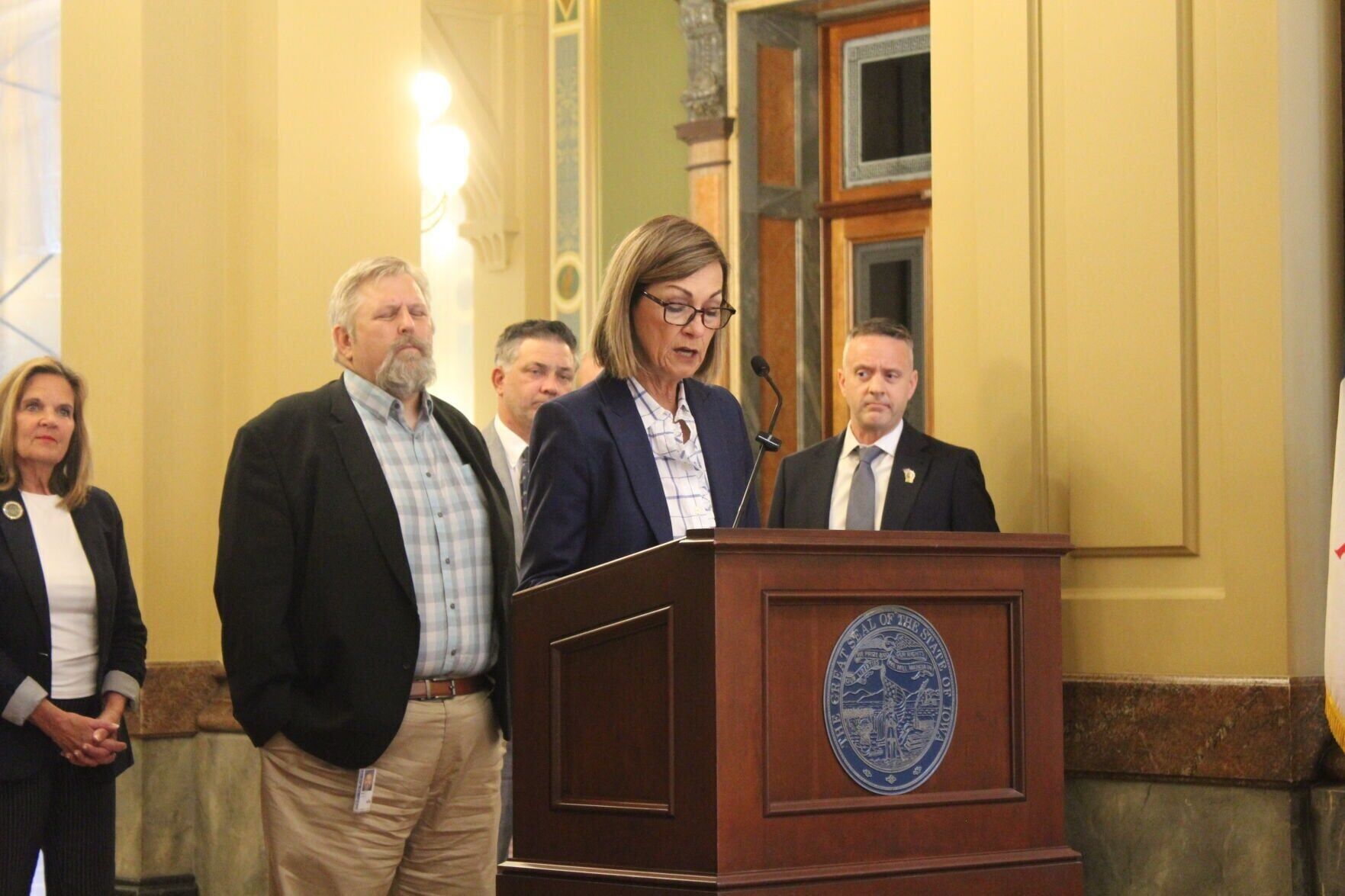
Kim Reynolds speaks during a bill signing ceremony for Iowa’s property tax reform legislation Monday, May 18, 2026, in the Iowa Capitol rotunda in Des Moines.
Reynolds said property taxes had risen “more than 10 percent faster than inflation, faster than population growth and faster than Iowans' paychecks,” calling the pace “not only unacceptable, but it's not sustainable.”
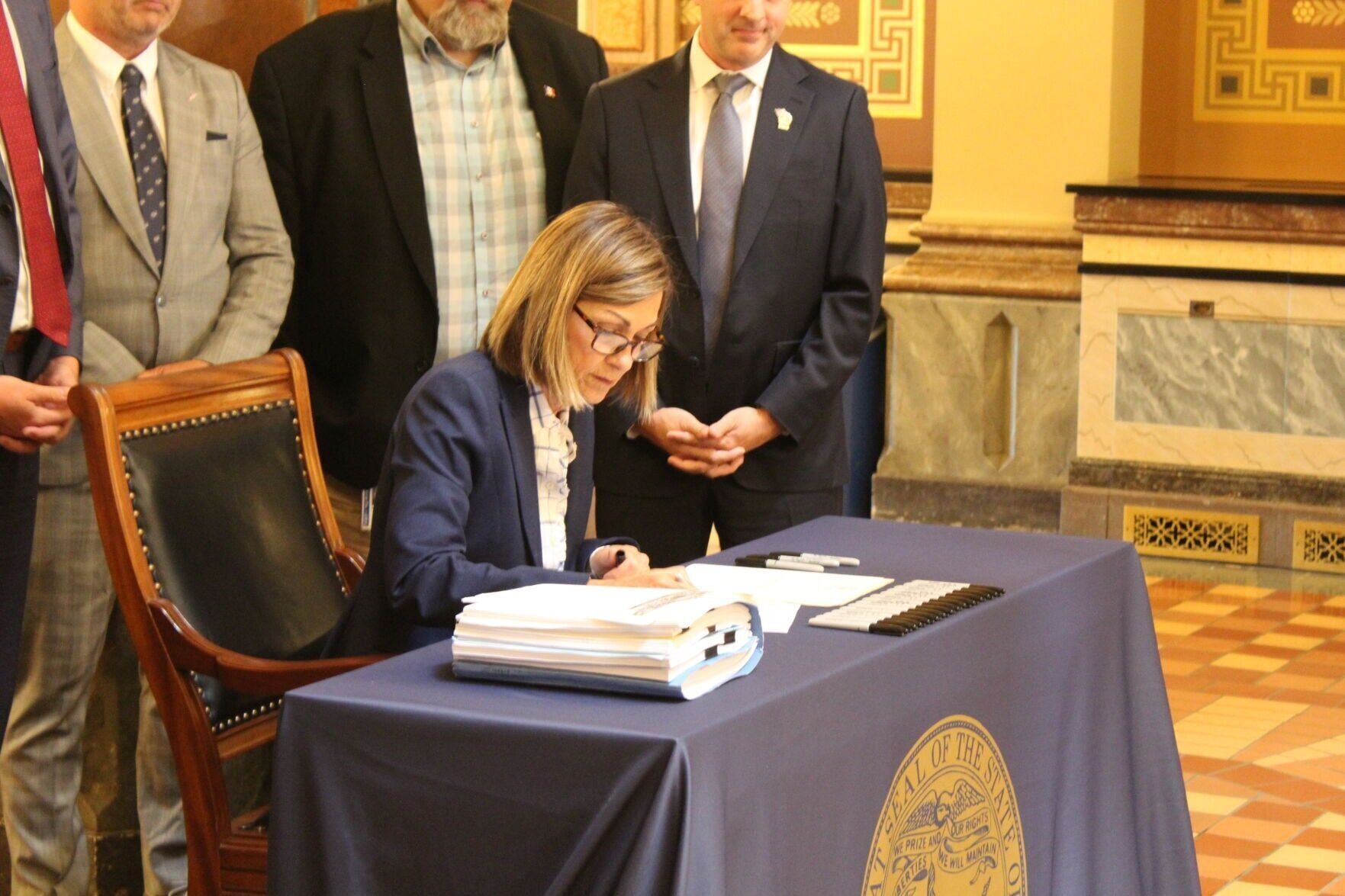
Iowa Gov. Kim Reynolds on Monday, May 18, 2026, signed into law property tax reform legislation that Republican lawmakers said will deliver billions in relief to taxpayers and rein in local government spending.
Republicans project that the new law will provide $4.2 billion in tax savings over six years. Key provisions include a 2 percent cap on annual property tax revenue growth for local governments, a quadrupling of the homestead tax exemption to as much as $20,000, changes to school levies, new restrictions on tax increment financing districts and the creation of First Home Iowa tax-deductible savings accounts for prospective homebuyers.
Under the new law, which takes effect for property taxes due and payable in the fiscal year beginning July 1, 2027:
The current homestead tax credit will transition to an exemption worth up to 10 percent of a home’s taxable value, ranging from $5,500 up to a maximum starting at $20,000 that will adjust annually for inflation. House Republicans said the existing credit is equivalent to about a $4,850 exemption. Existing senior citizen and military exemptions will remain in place.
The measure caps annual property tax revenue growth for local governments at 2 percent, though some levies — including school funding, debt service and community college levies — are exempt from the restriction.
Under the law, multi-residential housing will once again become its own property classification. As the change is phased in, multi-residential property valuations will be set 6 percent higher than the residential rollback rate, according to legislative Republicans.
The statewide school property tax levy will gradually decrease from $5.40 to $4.90 per $1,000 of taxable valuation, with the state’s general fund replacing the lost revenue to school districts. The plan is designed to funnel more state funding to public school districts, which will lower property taxes statewide by $175 million for all property owners.
The bill places new limits on tax increment financing districts by capping all new TIF projects at 23 years, ending perpetual TIF arrangements. In addition, a larger share of revenue from the state’s SAVE school infrastructure sales tax will be directed toward property tax relief.
Finally, the legislation restricts local government general fund reserve balances to 35 percent of annual spending.
Senate Majority Leader Mike Klimesh, R-Spillville, said the legislation fulfilled promises Republicans made to voters.
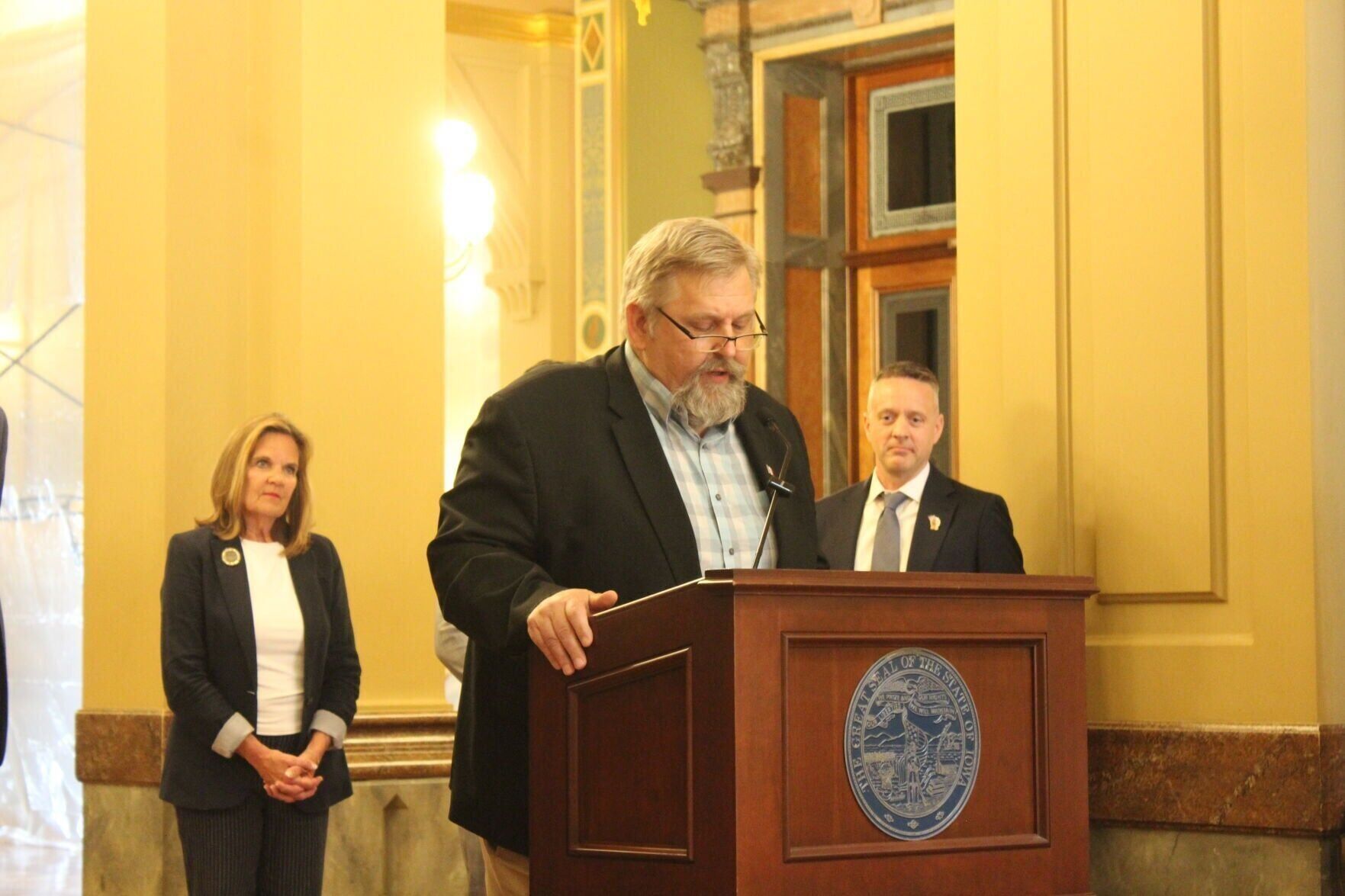
Senate Majority Leader Mike Klimesh, R-Spillville, speaks during a bill signing ceremony for Iowa’s property tax reform legislation Monday, May 18, 2026, in Des Moines.
“When we told them we will address their cost of living, we meant it,” Klimesh said. “When we told them we'd cut their income taxes, we meant it. And when we told them we deliver real property tax reform, we meant that too.”

Iowa Senate Majority Leader Mike Klimesh speaks after Iowa Gov. Kim Reynolds signs into law property tax reform legislation aimed at providing…
Sen. Dan Dawson, R-Council Bluffs, who chaired Senate negotiations on the bill, described property tax reform as “a central focus in this building for not just the past few months, but the past year and a half.”
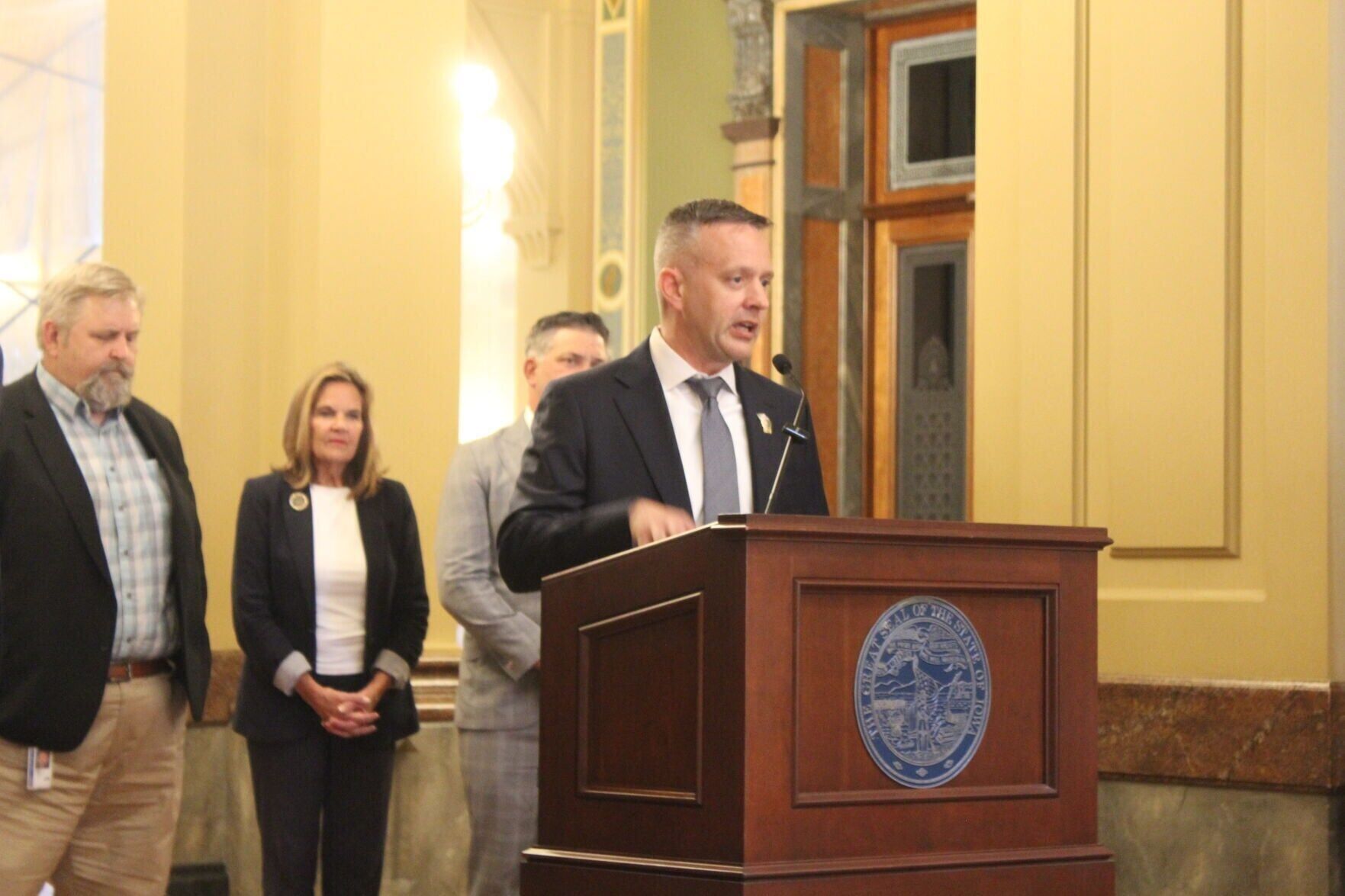
Sen. Dan Dawson, R-Council Bluffs, speaks during a bill signing ceremony for Iowa’s property tax reform legislation Monday, May 18, 2026, at the Iowa Capitol.
“The $4 billion saved in this legislation is real relief for Iowans, businesses and farmers and marks another positive step forward in property tax reform,” Dawson said.
Rep. Carter Nordman, R-Dallas Center, chair of the House Ways and Means Committee, called the measure “real reform.”
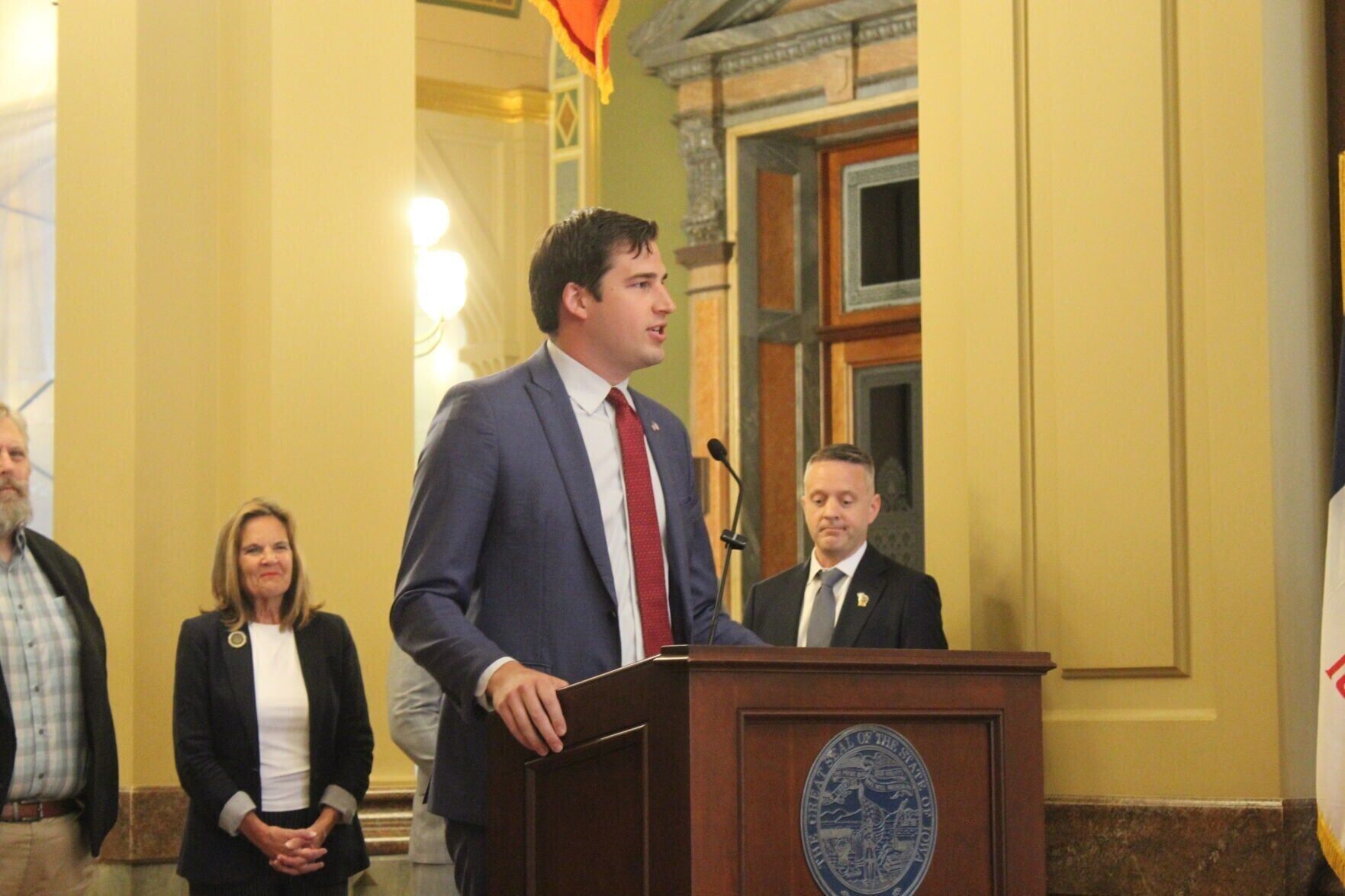
Rep. Carter Nordman, R-Dallas Center, speaks Monday, May 18, 2026,. during a bill signing ceremony for Iowa’s property tax reform legislation.
“This is not a Band-Aid, this is not a short-term solution,” Nordman said. “This is real reform that is going to deliver real results for Iowans across the state.”
House Speaker Pat Grassley, R-New Hartford, said the bill shifts certainty away from taxing entities and toward taxpayers.
“This bill that the governor is going to sign today shifts that priority back to the taxpayer,” Grassley said.
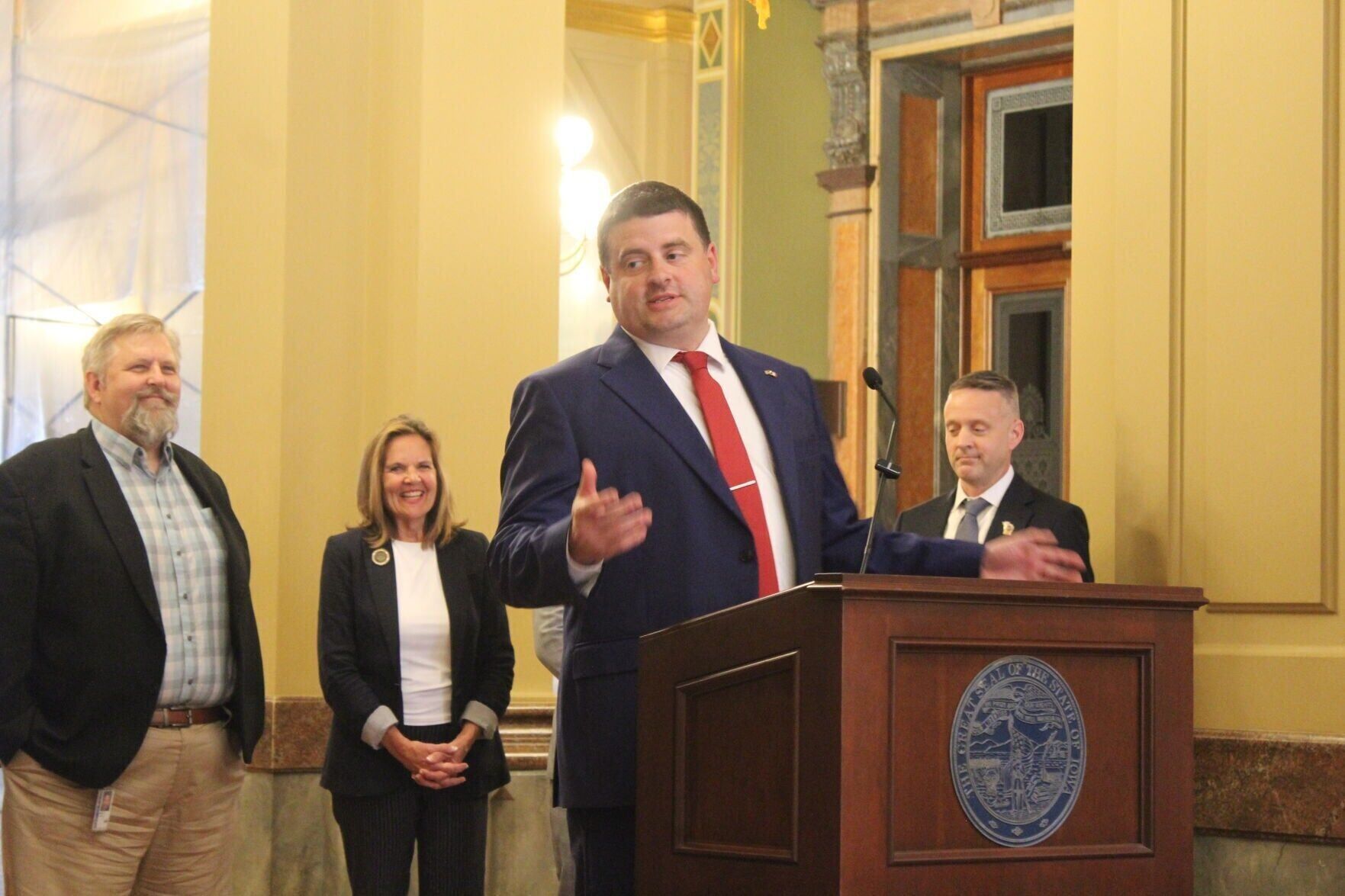
House Speaker Pat Grassley, R-New Hartford, speaks Monday, May 18, 2026, during a bill signing ceremony for Iowa’s property tax reform legislation.

Iowa House Speaker Pat Grassley speaks after Iowa Gov. Kim Reynolds signs into law property tax reform legislation aimed at providing tax reli…
The legislation emerged after months of negotiations among Reynolds, House and Senate Republicans and local government stakeholders. The final version was approved during the closing hours of the legislative session and combined multiple proposals debated throughout the year.
Democrats criticized the final agreement as a rushed “one-size-fits-all” plan that fails to provide meaningful, long-term relief or address the root cause of rising valuations. Critics labeled it a “shell game” that could shift costs to other funds and fail to deliver tangible relief to taxpayers.
Still, the measure drew unusual bipartisan support in the Senate, where all but one senator voted in favor of the final compromise.
Local government leaders have warned the law’s new revenue caps could force cities, counties and schools to delay hiring, reconsider development projects and reevaluate services.
Asked Monday how local governments should respond to the new limits, Reynolds said they should follow the state’s example by reevaluating operations and pursuing efficiencies.
“Well, I hope they look to the state and see what we've done,” Reynolds told reporters after the ceremony. “I think we've led by example in our realignment efforts.”
Reynolds said local governments would need to “look for opportunities where they can share services” and “re-evaluate all of your operations, look for opportunity to cut where you can.”
“They now will budget like we do at the state level,” Reynolds said.
Erin Murphy of the Lee-Gazette Des Moines Bureau contributed to this article.
Related

Iowa Gov. Kim Reynolds signs into law property tax reform legislation aimed at providing tax relief for Iowans that became the defining issue …