Finerans preserve the past, transform it for the present and future
People are also reading…
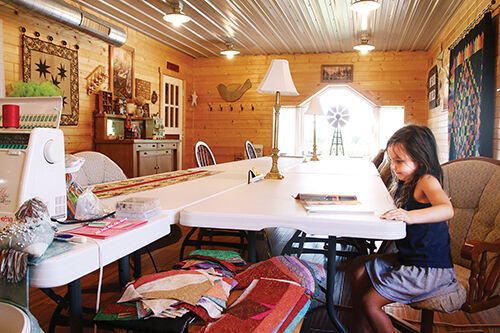
Elliot Fineran looks at a quilting book while seated at one of Grandma Diane’s tables for quilting.

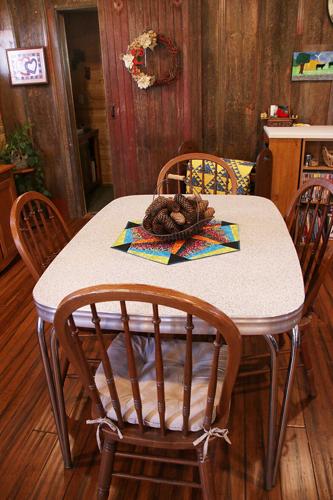
This chrome and formica-topped table came from Diane Fineran's family hom in Holstien. They never did have the matching chairs, she said, only wooden chairs. But she and her husband, Kevin, have found chrome chairs that they will have recovered to match the table.
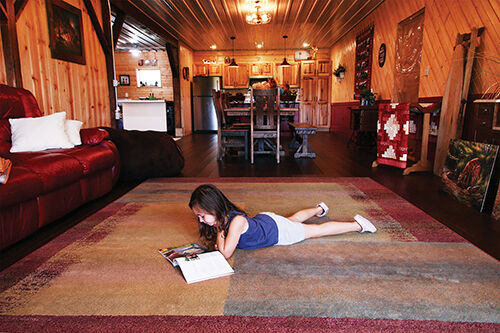
Elliot Fineran comfortably reads while on the floor of her grandparents converted barn. The rug came out of the Finerans’ house and fit in nicely with the décor of the living room area.

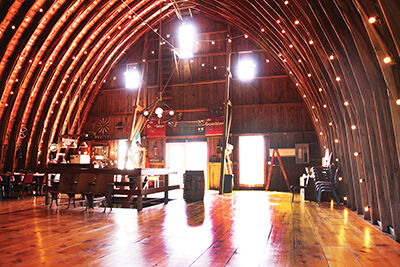
The flooring in the hayloft is from Douglas fir boards. It is the original floor.
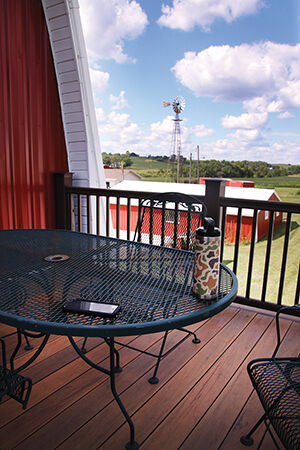
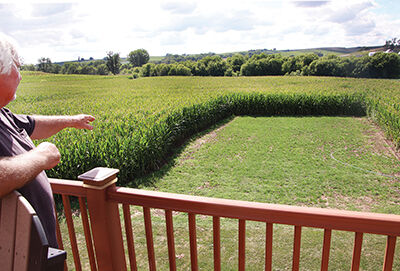
Pictured is the view from the deck on the east side of the barn.
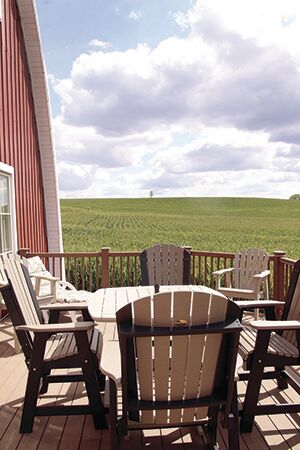
Pictured is the view from the deck on the west side of the barn.
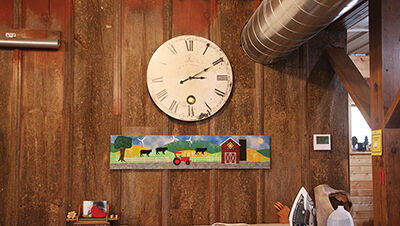
Some interior siding came from a different barn. “All we did when we put it up was to brush it down with a broom to get the dirt and debris off and then sealed it,” said Kevin.
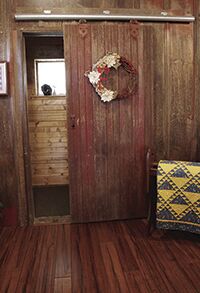
The Finerans found this rustic door with original hinges in the dirt. It is well over 100 years old. The bearings for the sliding door were frozen up. Kevin soaked the bearings in some diesel fuel for about a month and got them loose. “I don’t know why it didn’t rot out,” Kevin said of the door being in the dirt. “All we did was clean it off and Diane sealed it.”
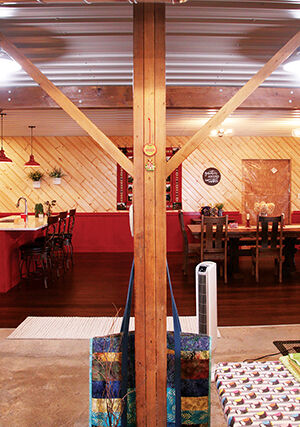
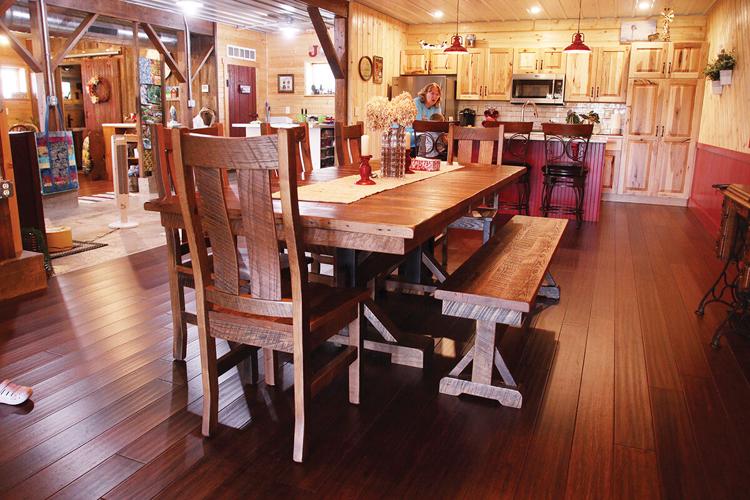
The original support posts and beams were left in place during the renovation projects. At one point, when a small room was taken out, two 2x12s were added give more strength to the ceiling.
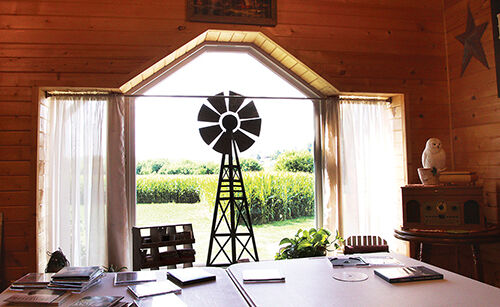
Two large sliding doors where cattle came into the barn had been in the space where this window was installed. The Finerans found the window in a junk yard in Omaha. “It’s got the form of a barn,” said Kevin. “We thought it was perfect for here.”
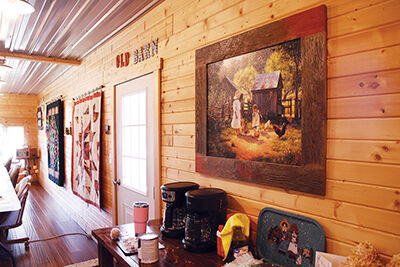
Another of Diane’s hobbies is to put puzzles together, back them with Masonite and put barn wood frames around them. She was especially prolific with this hobby during the pandemic. One of the puzzles is in the foreground, while quilts serve as wall decorations in the back.

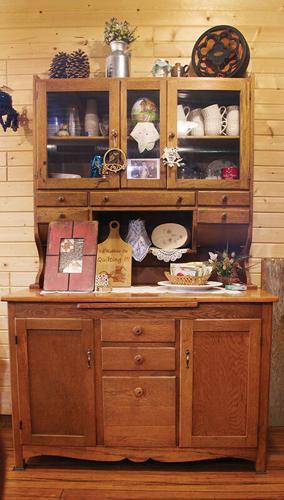
One of the furnishings in quilting half of the barn is the Hoosier cabinet that belonged to Diane’s mother.
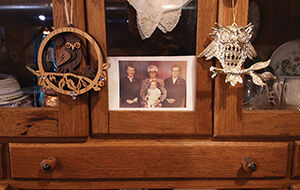
Among the decorations on the cabinet is a four-generation photograph of Diane as a baby, her mom, Delories Scherner, grandmother Edna Gries and great-grandmother Mary Reimers.

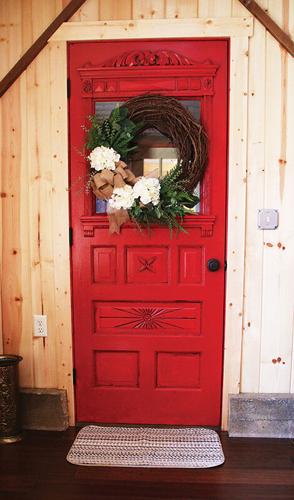
Kevin always likes to point out this red door to visitors. His carpenter salvaged the door from an old house in Manilla belonging to his mother. Diane painted it red and added black accents to make it look antique. The red door matches a couch the Finerans already had and the wainscoting Diane had painted red. The color is not a true red but more of a barn red, she said.
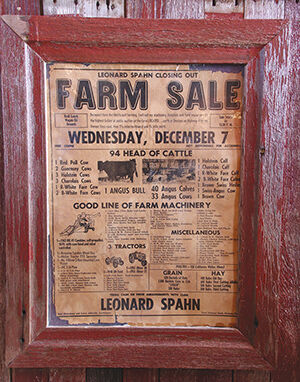
Pictured is a sale bill from when Leonard Spahn had his farm sale.
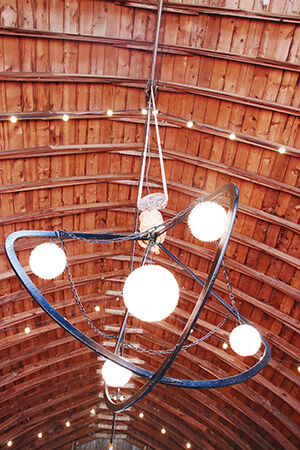
This lighting figure uses two elements from the barn’s history. The fixture is suspended using the original rope from the barn door. The framework of the fixture is made of hay forks, onto which Diane placed some lighting fixtures.

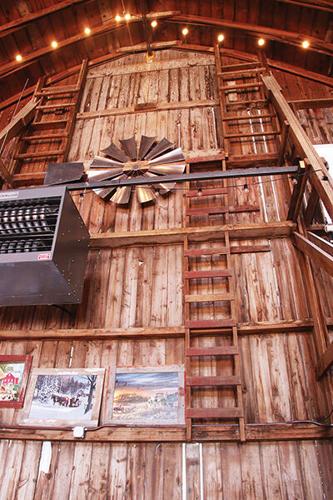
Pictured is the original ladder going up to the barn door. The bottom has been cut off to prevent kids from testing their sense of adventure. Kevin and Diane’s children gave them the windmill decoration. They like windmills, so much so that they had a windmill taken apart and reassembled between their house and the barn.
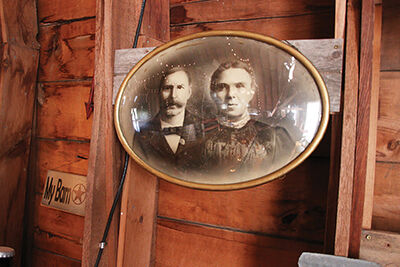
This picture of Kevin’s great-grandparents, Patrick and Bridget Fineran, is on the wall in the hayloft of the barn. They immigrated from Ireland and were among the pioneers of Crawford County.