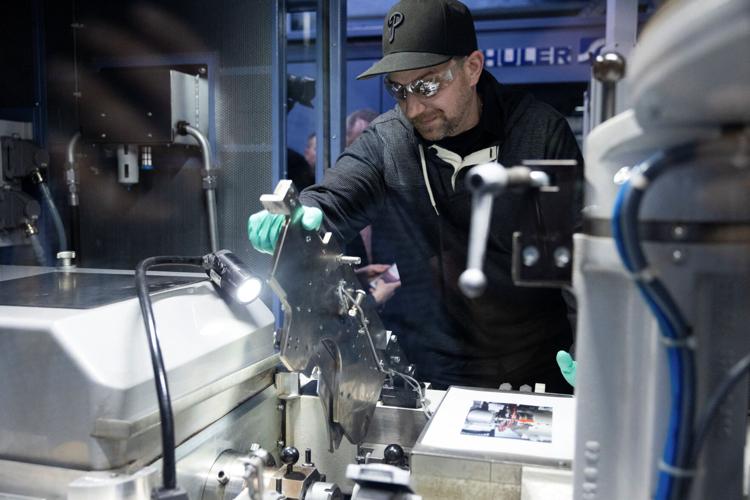
Last year, the United States Mint pressed the last penny.

A U.S. Mint employee places the last penny to be struck into a coining press Nov. 12 at the United States Mint in Philadelphia, Pa.
Rachel Wisniewski, REUTERSPeople are also reading…
- Denison woman dies, Lincoln driver seriously injured in western Iowa crash
- One TV weather team – two devastating diagnoses
- Will winter be snowy, stormy or mild? Farmers' Almanac forecast by region
- AJ Pritchard wins over Shirley Ballas on ‘DWTS: The Next Pro’
- Iowa State athletics breaks fundraising record in 2026
- Is Iowa losing its religion? Church closures mount in rural communities
- Want the best Perseid meteor shower views? Here's the where and when
- Iowa State lineman explains woodworking hobby, custom locker
- Hayden Panettiere, best known for her roles in 'Heroes' and 'Nashville', dies at 36
- 5 US destinations that feel like Europe, no passport required
- Global warming brings invasive species to the Mediterranean Sea
- Massachusetts anti-hunger advocate fasts to protest Trump food stamp cuts
- The Iowa QB battle wasn’t decided on Saturday. Here’s how it will be
- Patrick Mahomes, Travis Kelce accused of minimizing role in steakhouse lawsuit
- Mafia link feared in Sicilian grand master theft

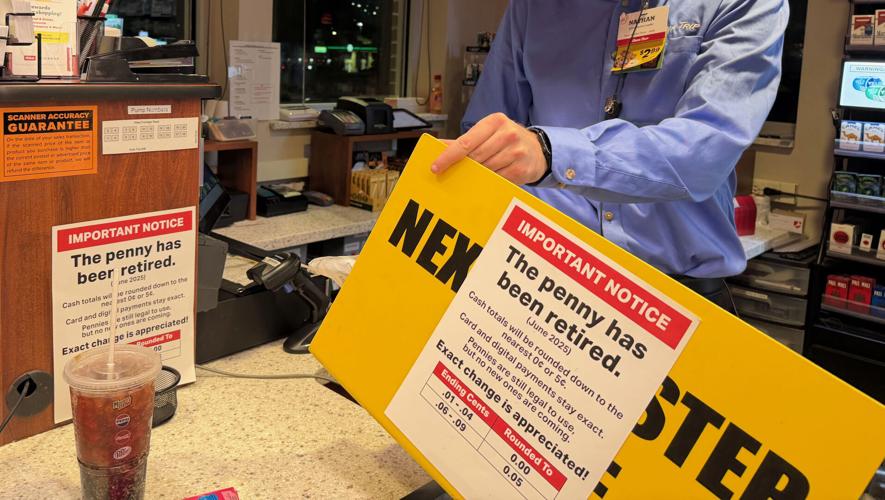
Signs address the end of the penny Nov. 13 at a Kwik Trip convenience store in Kenosha, Wis.
Mark Hertzberg, ZUMA Press Wire
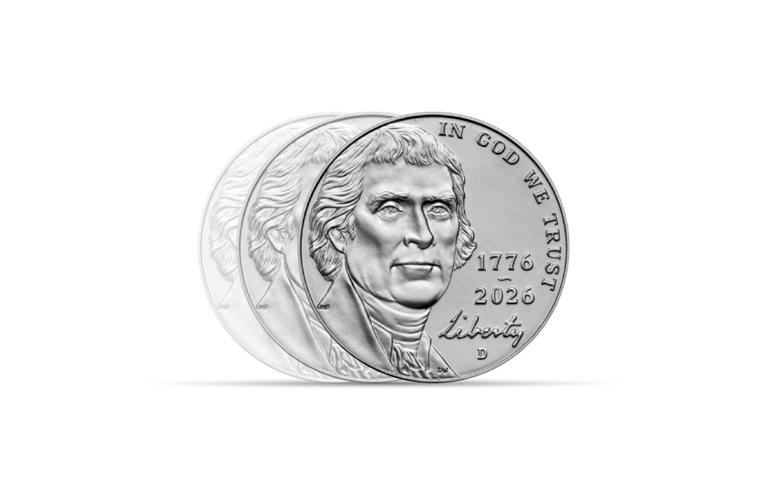
For every nickel, the government spent 13.78 cents, a loss of nearly 9 cents per coin.
U.S. Mint/Photo Illustration


- GRETA CROSS USA Today

Suburbia is deeply ingrained in American culture, growing in popularity alongside the country’s love affair with cars and its network of highways. As early as the 1830s, Brooklyn Heights laid claim to the title of the first suburb when it connected to Manhattan by steam ferries. A little over 100 years later, Levittown became the new model of suburban development, offering affordable, mass-produced houses on Long Island for veterans returning home after World War II.
Stacker compiled a list of top ranked suburbs in the U.S. using Niche’s annual rankings, which look at such factors as the cost of living, the educational level of residents, housing, and public schools. The data is the most current available. Some housing statistics, including median home values, might not reflect the current market. A deeper look at Niche’s methodology can be found here.
- Canva
- Suburb of St. Louis, Missouri
- Population: 8,005
- Antlio // Shutterstock

- Suburb of St. Louis, Missouri
- Population: 16,588
- tales.org // Shutterstock
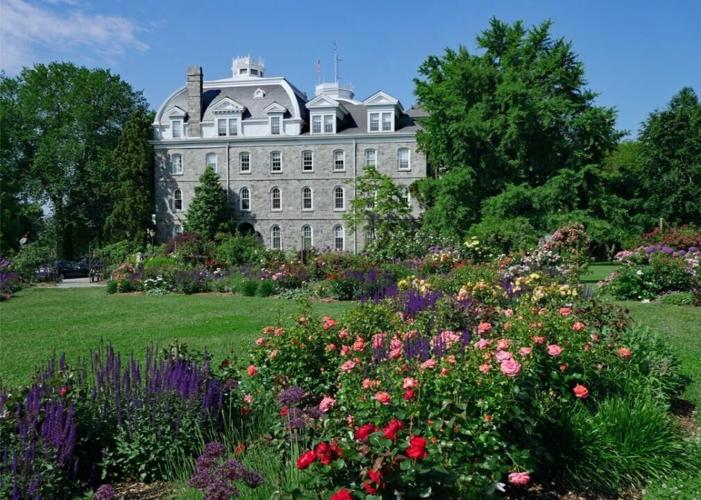
- Suburb of Philadelphia, Pennsylvania
- Population: 6,318
- Spiroview Inc // Shutterstock
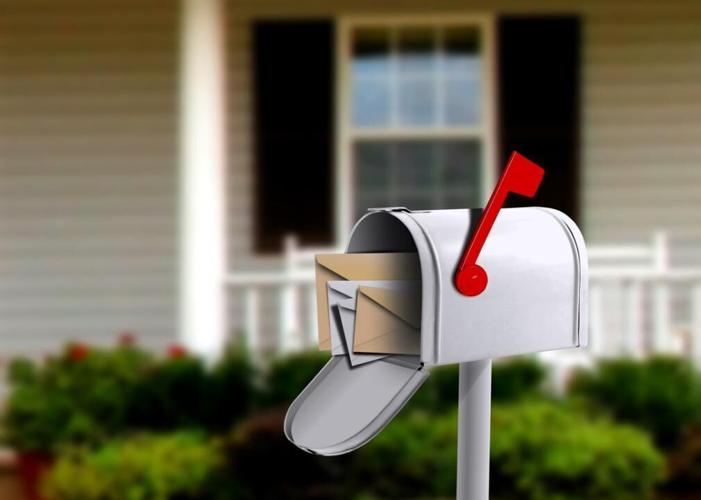
- Suburb of Chicago, Illinois
- Population: 8,716
- Aina Jameela // Shutterstock
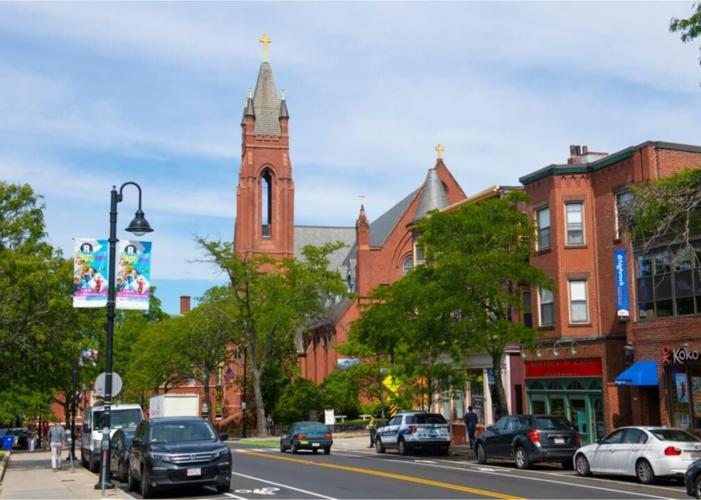
- Suburb of Boston, Massachusetts
- Population: 59,180
- Wangkun Jia // Shutterstock
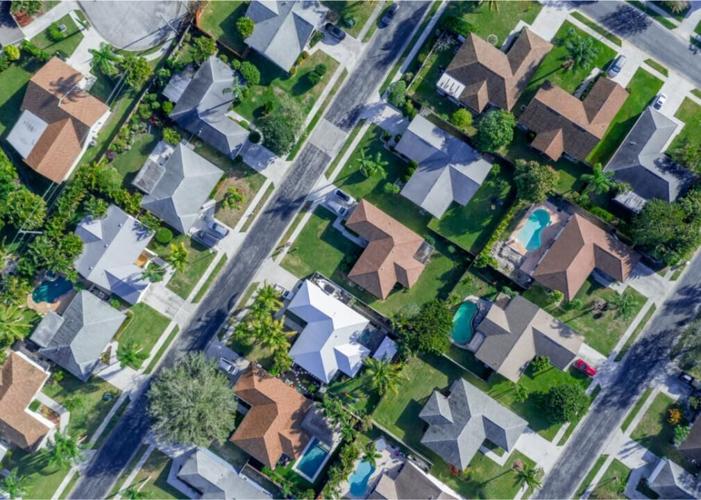
- Suburb of Denver, Colorado
- Population: 2,835
- scarp577 // Shutterstock
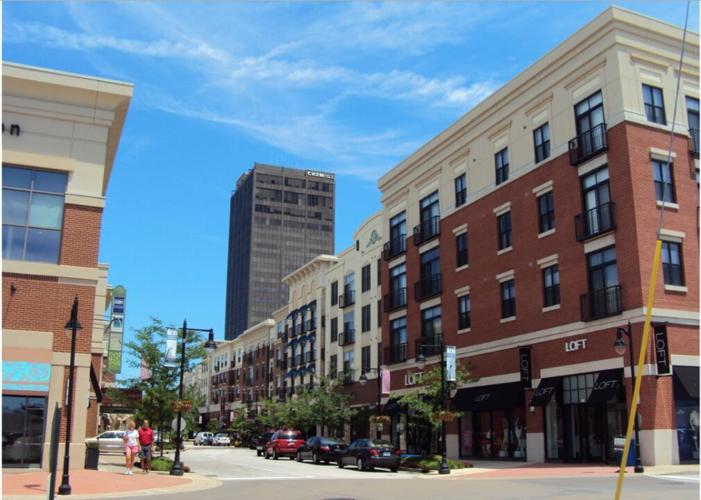
- Suburb of St. Louis, Missouri
- Population: 8,500
- Paul Sableman // Wikimedia Commons
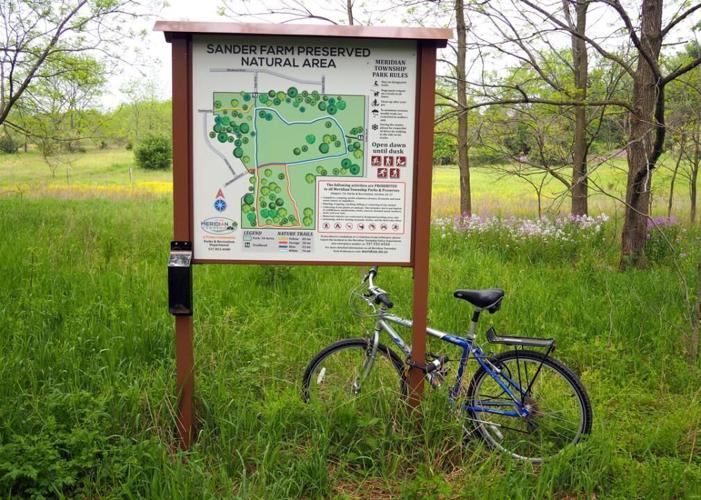
- Suburb of Lansing, Michigan
- Population: 24,141
- T-I // Shutterstock
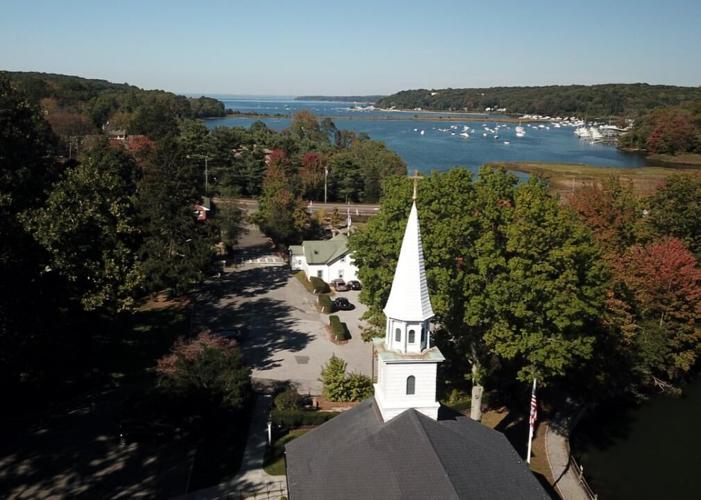
- Suburb of New York City, New York
- Population: 6,957
- Jose F. Donneys // Shutterstock
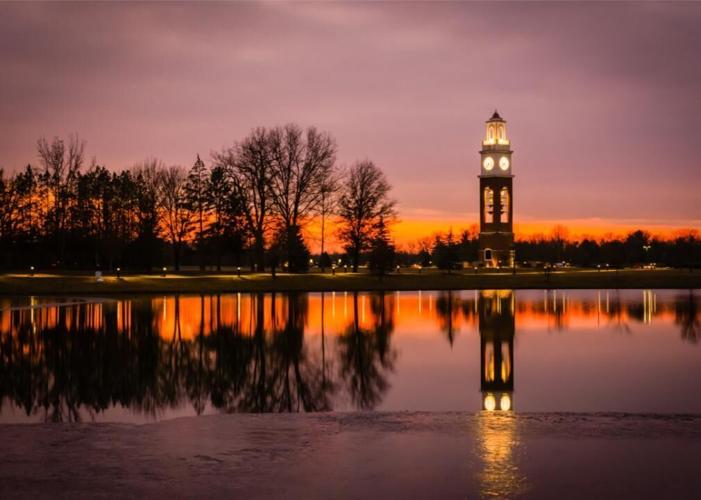
- Suburb of Indianapolis, Indiana
- Population: 97,464
- Golden Ratio Photos // Shutterstock

- Suburb of Santa Fe, New Mexico
- Population: 12,666
- Abigale Snortland // Shutterstock
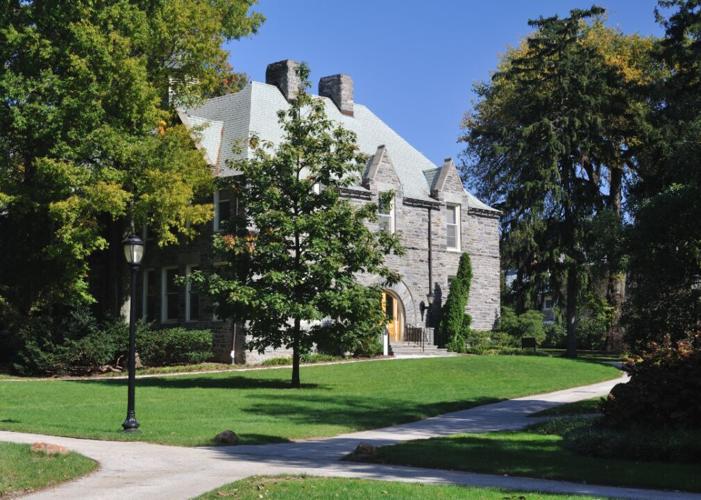
- Suburb of Philadelphia, Pennsylvania
- Population: 12,808
- Canva
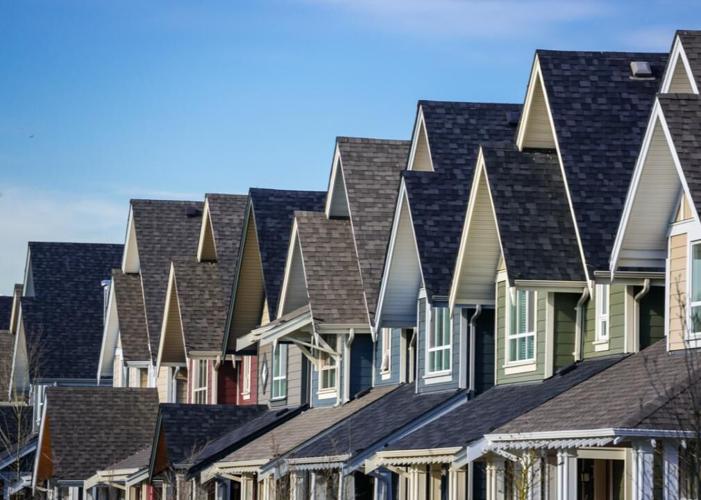
- Suburb of Philadelphia, Pennsylvania
- Population: 5,932
- Volodymyr Kyrylyuk // Shutterstock
Best suburbs to live in America

Best suburbs to live in America
Suburbia is deeply ingrained in American culture, growing in popularity alongside the country’s love affair with cars and its network of highways. As early as the 1830s, Brooklyn Heights laid claim to the title of the first suburb when it connected to Manhattan by steam ferries. A little over 100 years later, Levittown became the new model of suburban development, offering affordable, mass-produced houses on Long Island for veterans returning home after World War II.
Stacker compiled a list of top ranked suburbs in the U.S. using Niche’s annual rankings, which look at such factors as the cost of living, the educational level of residents, housing, and public schools. The data is the most current available. Some housing statistics, including median home values, might not reflect the current market. A deeper look at Niche’s methodology can be found here.
- Canva
- Suburb of St. Louis, Missouri
- Population: 8,005
- Antlio // Shutterstock
- Suburb of St. Louis, Missouri
- Population: 16,588
- tales.org // Shutterstock
- Suburb of Philadelphia, Pennsylvania
- Population: 6,318
- Spiroview Inc // Shutterstock
- Suburb of Chicago, Illinois
- Population: 8,716
- Aina Jameela // Shutterstock
- Suburb of Boston, Massachusetts
- Population: 59,180
- Wangkun Jia // Shutterstock
- Suburb of Denver, Colorado
- Population: 2,835
- scarp577 // Shutterstock
- Suburb of St. Louis, Missouri
- Population: 8,500
- Paul Sableman // Wikimedia Commons
- Suburb of Lansing, Michigan
- Population: 24,141
- T-I // Shutterstock
- Suburb of New York City, New York
- Population: 6,957
- Jose F. Donneys // Shutterstock
- Suburb of Indianapolis, Indiana
- Population: 97,464
- Golden Ratio Photos // Shutterstock
- Suburb of Santa Fe, New Mexico
- Population: 12,666
- Abigale Snortland // Shutterstock
- Suburb of Philadelphia, Pennsylvania
- Population: 12,808
- Canva
- Suburb of Philadelphia, Pennsylvania
- Population: 5,932
- Volodymyr Kyrylyuk // Shutterstock

Kids playing soccer in park.
- BAZA Production // Shutterstock