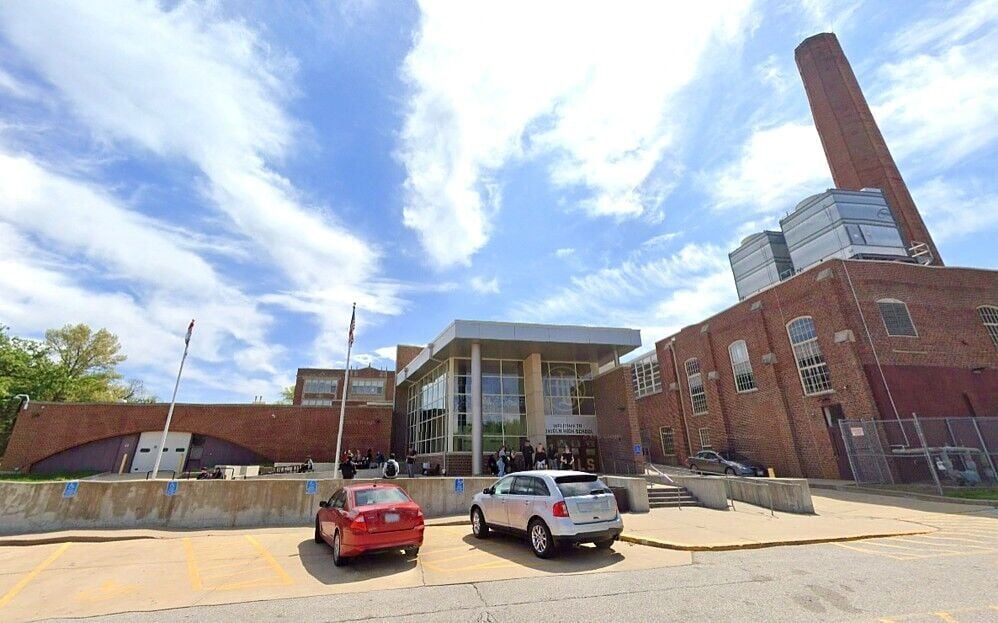
A former Des Moines Public Schools employee who was fired for allegedly having and sharing photos of a school principal’s passport and employment-authorization records is entitled to jobless benefits, a judge has ruled.
State records indicate Laura Shockley worked for the school district, most recently as an executive secretary, from Sept. 15, 2025, until May 21, 2026, when she was fired.
On July 17, 2026, Administrative Law Judge Stephanie Adkisson presided over a hearing on Shockley’s request for unemployment benefits. According to Adkisson’s recently published decision in the case, one of Shockley’s coworkers reported to the district on May 6, 2026, that Shockley had on her personal cellphone photographs of documents belonging to her supervisor, Lincoln High School Principal Praveen Bannikatti.
People are also reading…
The documents included Bannikatti’s I-9 form, which is a work-authorization record used to establish individuals’ employment eligibility in the United States, and his passport. The complaining employee alleged Shockley had showed the photographs to another employee of the district and indicated she had also overheard Shockley discussing the documents.
Several months prior to that alleged incident, Ian Roberts, then the school district’s superintendent, was arrested by Immigration and Customs Enforcement for being in the United States without legal work authorization. Roberts, whose case garnered national media attention, is now serving a two-year prison sentence on immigration and firearms charges.
According to Adkisson’s findings in Shockley’s unemployment case, Bannikatti, who has been with Des Moines Public Schools since 2008, asked Shockley whether she had cellphone photos of his personal documents. Shockley stated she did not, adding that she did not know where such records were even kept by the district.
After that conversation, the district placed Shockley on administrative leave and, according to Adkisson’s findings, interviewed both the complaining coworker and the other employee who asserted she had seen the photos. On May 21, 2026, district officials interviewed Shockley about sharing confidential personnel information with the staff and running personal errands during work hours — allegations that Shockley denied, Adkisson stated in her findings.
State records indicate the district concluded Shockley was not being truthful and that she could not be trusted with confidential information. After giving Shockley the opportunity to resign, which she declined, the district fired her.
At Shockley’s subsequent unemployment hearing, Shockley testified district officials had previously met several times with her two accusers due to concerns that they were not treating Shockley with respect. One of the coworkers had allegedly been passed over a promotion that was given to Shockley, Adkisson noted in her findings.
In ruling that Shockley was eligible for unemployment benefits, Adkisson stated she found Shockley’s version of events to be “more credible” than that of the district.
The school district, she noted, provided no written investigatory documents or decision-making records related to the allegations or Shockley’s dismissal. The district provided only witnesses “with second-hand information and did not make the witnesses who allegedly witnessed the incident available for the hearing, nor did they provide their written statements,” Adkisson reported.